Blog
- ~ 7 minutes to read
- 27.10.2026
- by The Seologic Team
- SEO
A 3,000-word guide can rank below a 400-word article. Adding more paragraphs will not automatically close that gap.
- ~ 7 minutes to read
- 15.10.2026
- by The Seologic Team
- SEO
Your product page loads perfectly in Chrome. Customers can see descriptions, prices, and navigation. Yet Google Search Console reports that the URL has not been indexed.
The problem may be how the page delivers its content.
A website can lose organic clicks while becoming more visible in AI-generated answers. Standard ranking reports rarely capture this situation.

A traditional search might be:
“project management software for agencies”
An AI prompt is more likely to look like:
“Which project management platforms work for a 30-person marketing agency that needs client access, time tracking, and Slack integration?”
Traditional SEO focuses on crawlability, indexing, relevance, internal links, authority, and search intent.
AI assistants do not simply reward pages that repeat keywords. When an answer is grounded in web sources, the system needs a passage that is relevant to the question and useful as evidence.

- ~ 7 minutes to read
- 28.08.2026
- by The Seologic Team
- SEO
Most teams write one article, publish it once, and move on. Meanwhile, the same piece of research and writing could quietly power a week’s worth of content across formats — if it’s repurposed in a way that protects, rather than dilutes, the SEO equity of the original.
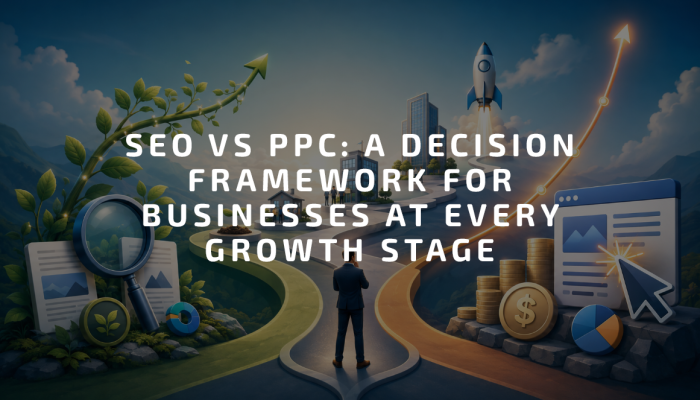
“Should we invest in SEO or PPC?” is usually the wrong question. The better one is: given where the business is right now — budget, timeline, and risk tolerance — which channel earns its cost faster, and when does the other one start paying off too?

Search used to be a matching game: type in words, get back pages with those words. In 2026, that model is mostly gone. Google’s ranking pipeline now leans on AI reranking layers that interpret what a query actually means before it decides what to show — and that shift has quietly rewritten the rules of SEO.

Local SEO used to be mostly about rankings in Google Maps and organic search results. Today, users often ask longer and more specific questions: “Who is the best local SEO consultant for a small law firm?”, “Which HVAC company can come today?”, or “Where can I find a dentist open on Saturday with good reviews?”
- ~ 8 minutes to read
- 15.07.2026
- by The Seologic Team
- SEO
Three months after First Input Delay disappeared from Google’s ranking signals in March 2024, most websites didn’t notice.

It often comes down to structure. AI systems extract answers faster and more confidently from pages that speak their language — and schema markup is that language.

For twenty years, search visibility was mostly about being found. A page was published, crawled, indexed and ranked. If it appeared high enough, people clicked.

For a long time, many SEO pages survived by being acceptable. They answered the query, used the right headings, included enough words, repeated common advice, added several internal links, and looked complete on the surface

For a long time, SEO teams could estimate organic traffic with a relatively simple formula: better ranking usually meant more clicks. A page in the first organic position was expected to receive the largest share of visits, while lower results received progressively less attention.