As the digital ecosystem continues to evolve, so does the importance of App Store Optimization (ASO). By 2026, the app store landscape has become even more competitive, with millions of apps vying for users’ attention. To ensure that your app stands out and thrives, mastering ASO has never been more essential.
This guide is here to provide in-depth insights into how ASO has evolved and how you can leverage new strategies to own the App Store in 2026.
What is ASO?
App Store Optimization (ASO) is the art and science of enhancing your app’s visibility in the app stores—Google Play and the Apple App Store—ultimately driving higher organic downloads. It involves a strategic approach to optimizing several elements such as metadata, visuals, reviews, and user experience to increase both visibility and conversions.
For 2026, ASO has evolved far beyond simple keyword optimization. It now integrates advanced technologies, data-driven decisions, and a more user-centric approach. To succeed, you need to stay ahead of the curve.
2026: Key ASO Ranking Factors You Need to Know
The fundamentals of ASO remain, but there are a few key shifts that are now dominating the landscape. Here’s what to focus on in 2026:
- Advanced Keyword Research
Keywords still reign supreme, but their role is becoming more sophisticated. In 2026, it’s not just about stuffing your app title or description with keywords. It’s about finding long-tail, niche-specific keywords that align with search intent. - User Experience (UX) Matters More Than Ever
ASO is no longer just about metadata optimization. The quality of your app’s user experience is now directly tied to your rankings. Retention, engagement, and user satisfaction play a huge role in how your app is ranked. - Visual Assets as a Conversion Factor
Visuals such as the app icon, screenshots, and preview videos have become increasingly critical for conversion rates. Your app’s first impression counts for a lot, and in 2026, high-quality visuals could make or break your success. - Personalized & Targeted Marketing
The rise of AI and machine learning tools means app stores are getting better at understanding user behavior. Personalized recommendations and localized app store pages are essential for increasing visibility across different regions and user demographics. - Ratings and Reviews Influence
As app store algorithms continue to prioritize user sentiment, reviews and ratings have become a vital part of ASO. How users perceive your app, and how often they leave feedback, now directly influences your app’s rankings. - Localization for Global Reach
In 2026, global markets are more accessible than ever, but a “one-size-fits-all” approach no longer works. Localization is a key driver for reaching international audiences and optimizing your app’s metadata for various markets.
Crafting Your ASO Strategy for 2026
Now that we know the key factors for success, let’s break down the essential steps in your 2026 ASO strategy.
Keyword Research: Going Beyond the Basics
Keywords are still crucial for driving discoverability, but as competition increases, focusing on high-traffic, broad keywords will not yield the same results. In 2026, the best strategy is a combination of broad, niche, and long-tail keywords.
How to Do It:
- Leverage AI Tools: Use advanced ASO tools like Sensor Tower, App Annie, or Keyword Tool to find keywords that match the user’s search intent. Focus on keywords that offer low competition but high relevance.
- Competitor Research: Analyze successful competitors and identify gaps in their keyword strategies. Look for high-traffic keywords that they may have overlooked.
- Focus on Voice Search: With the rise of voice assistants, optimizing for voice search keywords should be part of your strategy.
Example of Keyword Optimization Strategy:
| Element | Strategy |
| App Title | Include a primary keyword (e.g., “Fitness Tracker” for a health app). |
| Subtitle | Use secondary, related keywords (e.g., “Health Coach, Calorie Counter”). |
| Description | Naturally integrate long-tail keywords (e.g., “best workout routines for weight loss”). |
| Localized Keywords | Research country-specific keywords and adapt accordingly. |
Visuals: First Impressions Matter
The importance of visuals in 2026 cannot be overstated. Your app’s icon and screenshots are the first thing potential users will see, and they can significantly influence download decisions.
App Icon Design:
- Simplicity is Key: A clear, easily recognizable icon stands out in the sea of apps.
- Brand Consistency: Your icon should align with your brand’s overall design philosophy.
Screenshots and Videos:
- High-Quality Screenshots: Ensure your screenshots are clear and highlight the most valuable features of your app. Don’t over-clutter; keep them simple but compelling.
- App Preview Videos: Use videos to give a sneak peek of your app in action. Studies show that apps with video previews have higher conversion rates.
Visual Optimization Checklist:
- Use minimal text, ensuring the visuals speak for themselves.
- Highlight key app features in screenshots.
- Customize visuals for different devices and screen sizes.
Maximizing Reviews and Ratings
In 2026, user feedback holds more weight than ever. Positive reviews not only improve your app’s credibility but also enhance its ranking in app store search results.
Tips to Increase Positive Reviews:
- Timing Is Key: Ask for reviews when users are most satisfied with your app (e.g., after a positive action or milestone).
- In-App Prompts: Avoid interrupting users with constant pop-ups. Instead, implement a subtle in-app request after meaningful interactions.
- Respond to Reviews: Show users that you care by replying to their feedback. Acknowledge their concerns and thank them for their support.
Focus on Retention and Engagement
A high retention rate is essential for improving your app’s ranking and ensuring sustained success. The app store algorithms now look at how long users stay in your app, how frequently they return, and how much time they spend in the app.
Retention Strategies:
- Push Notifications: Use personalized push notifications to bring users back.
- Regular Updates: Regularly update your app with new features, bug fixes, and improvements to keep users engaged.
- Gamification: Implement gamified elements like rewards, points, and challenges to keep users returning.
Localization for International Growth
The global market is more important than ever. In 2026, localization should be an integral part of your ASO strategy.
How to Localize Your App Store Listing:
- Localized Keywords: Research keywords for different languages and cultures.
- Cultural Sensitivity: Ensure your app description and screenshots resonate with the local culture.
- Localized App Name and Icon: Consider changing your app’s name and icon to fit cultural preferences in different regions.
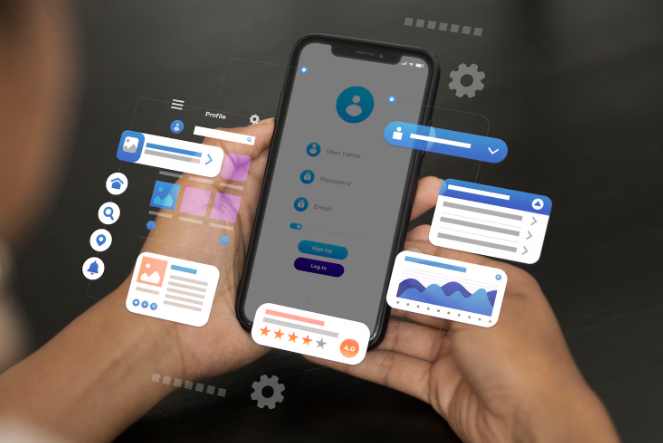
Example of App Store Localization for Different Regions
| Region | Localized Strategy |
| USA | English descriptions with targeted keywords (e.g., “Fitness Tracker”). |
| Germany | Translated app description with a focus on privacy (due to cultural importance). |
| Japan | Customize visuals and include localized features, such as Japanese language support. |
| Brazil | Focus on mobile-first features, considering slower internet connections. |
Conclusion: Proactive ASO for 2026
In 2026, mastering ASO is about more than just keywords and visuals. To truly own the app store, you need to think holistically: enhance your app’s user experience, engage users consistently, and keep track of new ASO trends and technologies.
By following the strategies outlined in this guide, you’ll be well on your way to making your app a leading player in its category. Keep refining your approach, stay up-to-date with algorithm changes, and remember—ASO is an ongoing process, not a one-time fix.
Here’s to dominating the app store in 2026!


