
SEO (Search Engine Optimization) is constantly evolving, and businesses must stay updated to remain visible in search results. With the continued advances in technology, algorithms, and user behavior, understanding the key trends shaping SEO in 2026 will be essential to staying ahead of the competition. This guide will explore the top 10 SEO trends for 2026 and provide actionable insights to help you optimize your digital presence.
In this article, we will discuss each trend in detail and provide tables to help visualize the key points and best practices for implementation.
AI-Powered SEO Strategies: Automating Optimization
Artificial Intelligence (AI) is transforming SEO by making processes more efficient. AI-powered tools can now automate keyword research, content creation, and even track real-time SEO performance. By 2026, AI will be an integral part of SEO, automating many tasks and providing deep insights into user behavior.
Why AI Will Matter for SEO in 2026:
- Content Creation: AI can now generate high-quality, SEO-friendly content, saving time while maintaining relevance.
- Optimization: AI-powered tools will analyze content performance and suggest optimization strategies, helping marketers refine their strategies.
AI Tools to Implement in SEO:
| AI Tool | Primary Use | Benefit |
| GPT-4 | Content Generation and Optimization | Quick, high-quality content creation and updates |
| Surfer SEO | Keyword Analysis and SERP Tracking | Advanced keyword research and on-page optimization |
| Clearscope | Content Optimization | Helps refine content for better keyword targeting |
| Frase.io | Content Strategy and AI Insights | Automatically generates content briefs based on user intent |
Voice Search Optimization: A Growing Priority
Voice search is becoming more common, with users increasingly relying on voice-activated devices like Amazon Alexa, Google Assistant, and Apple’s Siri. By 2026, more than 50% of all search queries are expected to be voice-based.
Why Voice Search Optimization Is Essential:
- Conversational Queries: Voice searches are often phrased as natural, conversational queries, making long-tail keywords more important.
- Local Intent: Voice searches often have local intent (e.g., “Where’s the nearest coffee shop?”), which requires businesses to optimize for local SEO.
Voice Search Best Practices:
| Strategy | Details | Benefits |
| Use Long-Tail Keywords | Target more specific phrases or questions. | Matches how people speak and improves search accuracy. |
| Optimize for Local SEO | Use location-specific keywords, such as “near me”. | Captures voice searches with local intent. |
| Featured Snippets | Structure content to provide direct answers. | Increases chances of appearing in featured snippets. |
E-A-T (Expertise, Authoritativeness, Trustworthiness)
E-A-T will continue to be a significant factor in rankings. Google’s algorithms prioritize websites that demonstrate expertise, trustworthiness, and authority, particularly in industries like health, finance, and legal.
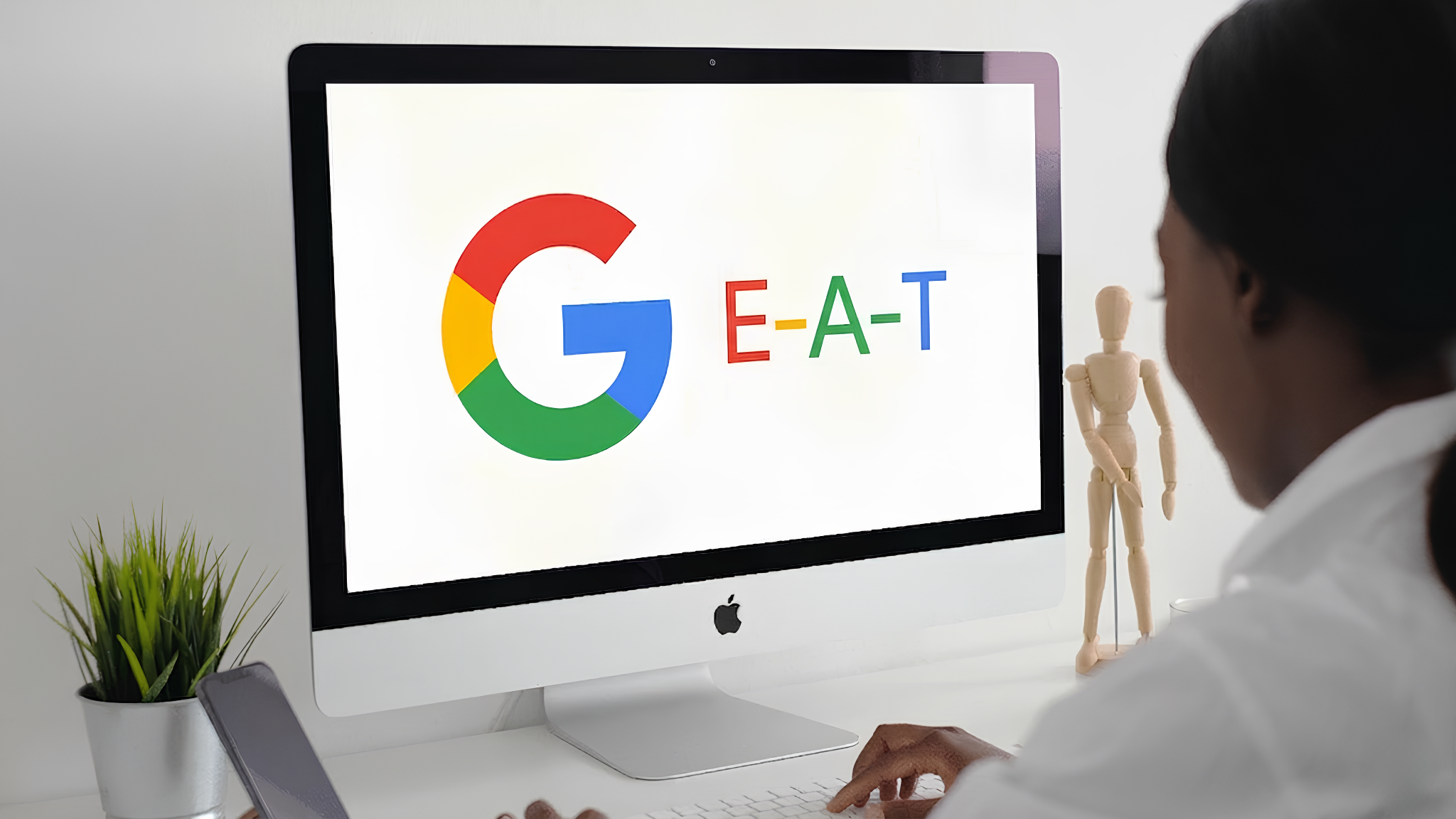
Why E-A-T Is Vital for SEO:
- Expertise: Content created by credible authors with recognized qualifications will be more likely to rank higher.
- Trust: Websites that are secure (HTTPS), have positive user reviews, and offer transparent policies will gain more trust from search engines and users alike.
How to Improve E-A-T Signals:
| Action | Description | Impact |
| Author Bio | Include author credentials, qualifications, etc. | Boosts content credibility and expertise. |
| Cite Trusted Sources | Reference reputable sources within your content. | Enhances trustworthiness and authority. |
| HTTPS Security | Use SSL certificates to secure your site. | Increases user trust and ranking potential. |
Core Web Vitals: User Experience and Performance
Core Web Vitals, which measure user experience aspects such as loading time, interactivity, and visual stability, are crucial for SEO in 2026. Google will continue to prioritize websites that offer great user experience, especially on mobile.
Why Core Web Vitals Will Be a Major Ranking Factor:
- Page Load Speed: Websites that load quickly are favored in rankings.
- Visual Stability: Google values pages that provide stable layouts, which prevent elements from shifting unexpectedly.
- Interactivity: Faster interactivity boosts user engagement and retention, both of which impact rankings.
How to Optimize Core Web Vitals:
| Core Web Vital | What It Measures | Best Practices |
| Largest Contentful Paint (LCP) | Page load time (specifically the largest visible element). | Optimize images, reduce server response time, and use lazy loading. |
| First Input Delay (FID) | Time it takes for the page to become interactive. | Minimize JavaScript, prioritize essential scripts. |
| Cumulative Layout Shift (CLS) | Visual stability during loading. | Avoid large ads, ensure images and videos have fixed dimensions. |
Video SEO: The Future of Content Marketing
Video content consumption continues to grow and is expected to make up a substantial percentage of internet traffic by 2026. Optimizing videos for SEO will become even more critical as platforms like YouTube, Instagram, and TikTok continue to dominate the digital space.
Why Video SEO Will Be Crucial:
- Rich Snippets: Videos increasingly appear in rich snippets, and search engines are prioritizing video content.
- Engagement Metrics: Videos with high engagement, including views, likes, and shares, are more likely to rank higher.
How to Optimize Video for SEO:
| Optimization Strategy | Explanation | Impact |
| Descriptive Titles | Include relevant keywords in video titles. | Helps search engines understand the video’s content. |
| Transcripts | Add video transcripts to improve accessibility. | Makes video content more indexable by search engines. |
| Video Thumbnails | Use eye-catching thumbnails. | Increases click-through rates and engagement. |
Structured Data: Enhancing Search Engine Understanding
Structured data helps search engines understand the context of content on a website. By 2026, schema markup will continue to play a pivotal role in enhancing search results and improving visibility.
Why Structured Data Will Be Key in 2026:
- Rich Snippets: Structured data helps search engines display rich snippets, which can improve click-through rates.
- Better Indexing: Structured data aids search engines in understanding complex content types like articles, events, and products.
Best Practices for Structured Data:
| Schema Type | Use Case | SEO Benefit |
| Article Schema | Use for blog posts, news articles, and stories. | Improves chances of appearing in rich results. |
| FAQ Schema | Use for frequently asked questions. | Featured snippets and direct answers in SERPs. |
| Product Schema | Use for product pages. | Helps display product ratings, prices, and availability in search results. |
Hyperlocal SEO: The Growing Importance of Local Search
Local SEO has become crucial for businesses targeting customers in specific geographic areas. By 2026, hyperlocal SEO, which targets users in even smaller areas, will be essential for local businesses to reach their customers.
Why Hyperlocal SEO Matters:
- Mobile Search: Local searches are increasingly happening on mobile devices, and businesses must optimize for local queries.
- “Near Me” Searches: Users frequently search for businesses close to them, making local optimization critical.
Hyperlocal SEO Tips:
| Tip | Details | Why It’s Important |
| Optimize Google My Business | Ensure your profile is complete with accurate location data. | Directly impacts local rankings and visibility. |
| Use Local Keywords | Incorporate specific neighborhood names or cities. | Increases chances of ranking in local searches. |
| Encourage Reviews | Request reviews from satisfied customers. | Positive reviews enhance credibility and rankings. |
Mobile-First Indexing: Optimizing for a Mobile-Only World
By 2026, more than 70% of all website traffic is expected to come from mobile devices. Google has already adopted mobile-first indexing, and mobile optimization will continue to be a top priority for SEO.
Why Mobile SEO Is Non-Negotiable:
- Mobile Usage: With more users searching via smartphones, websites must prioritize mobile-friendly designs.
- Google’s Mobile-First Indexing: Google now prioritizes mobile versions of websites for indexing and ranking.
Mobile SEO Best Practices:
| Optimization Area | Description | Impact |
| Responsive Design | Ensure your website adapts to various screen sizes. | Provides an optimal experience on both desktop and mobile. |
| Mobile Page Speed | Improve mobile loading times with compression and faster hosting. | Reduces bounce rates and improves rankings. |
| Mobile-Friendly Content | Use legible fonts and simple navigation. | Enhances the user experience on mobile devices. |
Link Building 2.0: Quality Over Quantity
Link building will evolve by 2026. While acquiring backlinks will remain essential, the focus will shift from accumulating a large quantity of links to securing high-quality, relevant backlinks from authoritative sources.
Why Quality Links Matter:
- Authority: Google values links from authoritative, relevant sources.
- Natural Link Profiles: A diverse and natural backlink profile will continue to be critical for SEO success.
How to Build Quality Links:
| Strategy | Details | Benefit |
| Guest Blogging | Write guest posts for reputable websites in your industry. | Increases credibility and brings high-quality links. |
| Create Link-Worthy Content | Produce in-depth, shareable content. | Attracts natural backlinks and increases traffic. |
| Collaborate with Influencers | Partner with influencers for content collaboration. | Earning links from trusted sources boosts authority. |
Privacy and SEO Compliance: Protecting User Data
With growing concerns over data privacy, businesses will need to ensure that their websites comply with privacy regulations like GDPR and CCPA. By 2026, data protection will influence rankings.
Why Privacy Matters for SEO:
- Trust: Websites that protect user data and provide transparency about data usage will gain more trust.
- Legal Compliance: Failing to comply with privacy laws can result in penalties and lower rankings.
Privacy Best Practices:
| Action | Description | Impact |
| Use HTTPS | Secure your website with SSL encryption. | Boosts trust and is a ranking factor. |
| Include a Privacy Policy | Clearly explain how you collect and use user data. | Meets legal requirements and builds user confidence. |
| Comply with GDPR/CCPA | Ensure your website adheres to relevant privacy regulations. | Avoids penalties and builds trust with users. |
Conclusion: Mastering SEO in 2026
SEO will continue to evolve as technology advances and user behavior shifts. By staying ahead of the key trends such as AI-powered tools, voice search optimization, and mobile-first indexing, businesses can maintain strong visibility in search results.
By implementing the strategies outlined above, businesses can future-proof their SEO, ensuring sustained success in 2026 and beyond.


